Release Note Test Plan: QASkills Workflow for QA
Turn release notes into focused upgrade smoke tests with QASkills, Playwright, CI evidence, and rollback rules your QA team can trust.

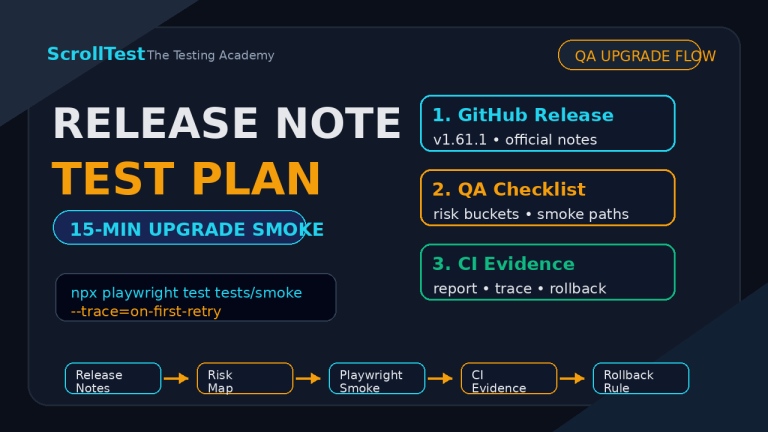
Turn release notes into focused upgrade smoke tests with QASkills, Playwright, CI evidence, and rollback rules your QA team can trust.
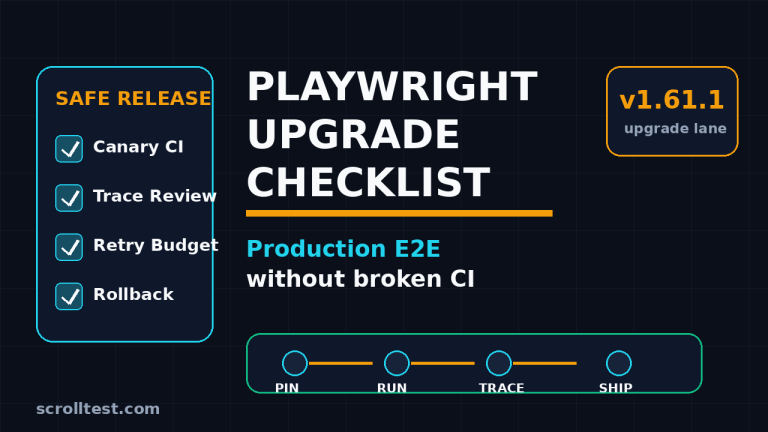
Use this Playwright upgrade checklist to test new versions safely with canary CI, trace review, browser pinning, retry budgets, and a clean rollback plan.
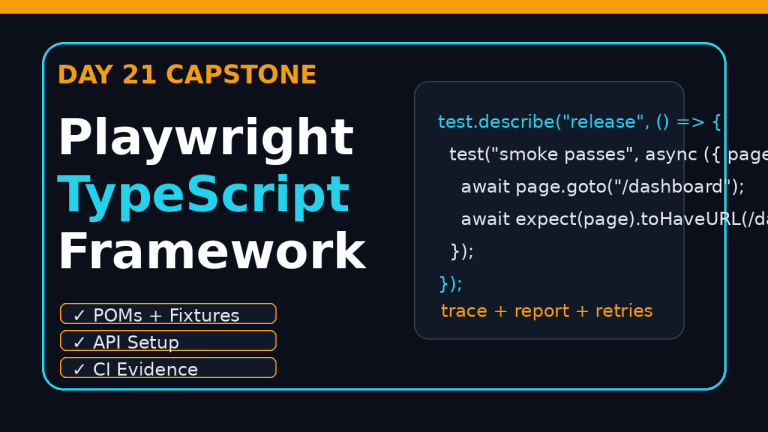
Build the final capstone Playwright TypeScript framework for Day 21: project structure, fixtures, POMs, test data, CI, traces, and a release-ready checklist.
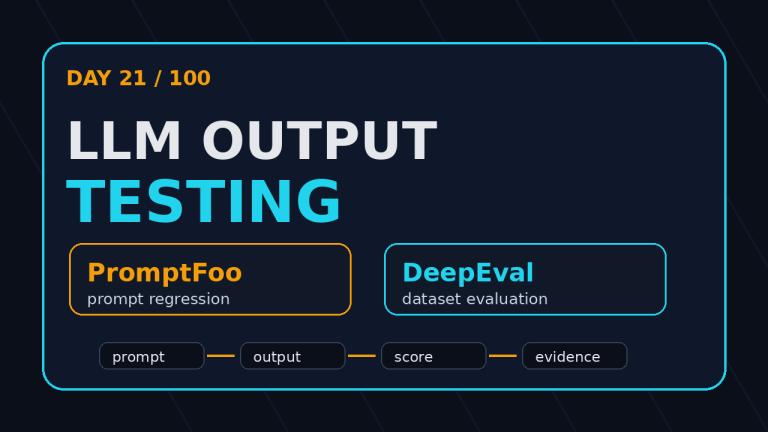
LLM output testing is now a QA skill. Here is a practical PromptFoo vs DeepEval workflow for prompts, RAG checks, agents, and CI evidence.
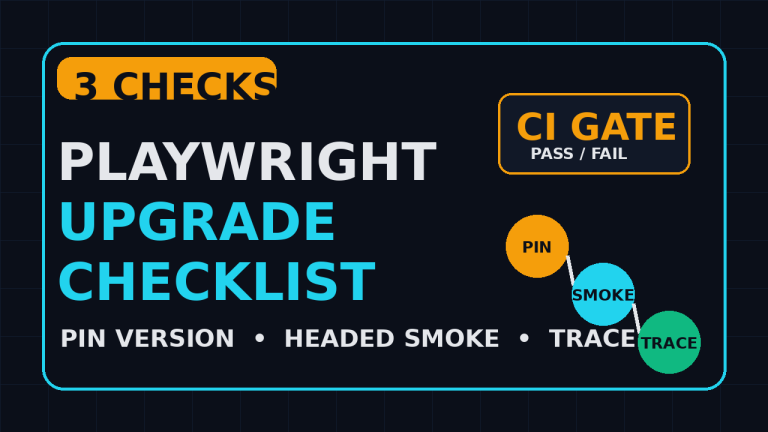
Use this Playwright upgrade checklist before bumping versions in CI: pin the version, run a headed smoke, and compare the trace for one flaky test.
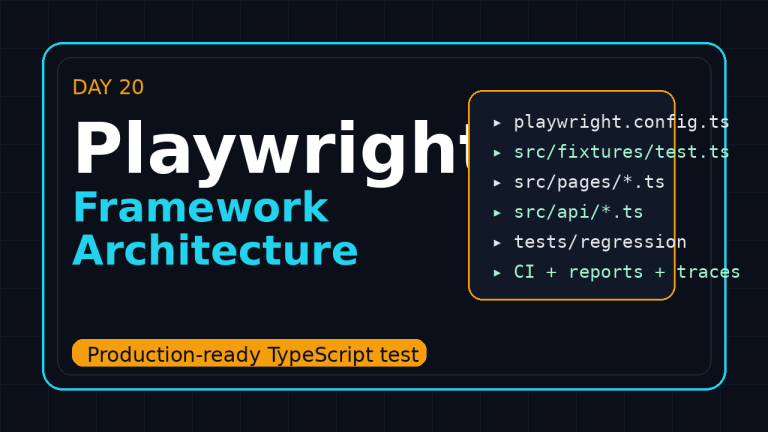
Day 20 shows how to design a production-ready Playwright framework architecture in TypeScript with clear folders, typed fixtures, CI guardrails, reports, and maintainable test ownership.
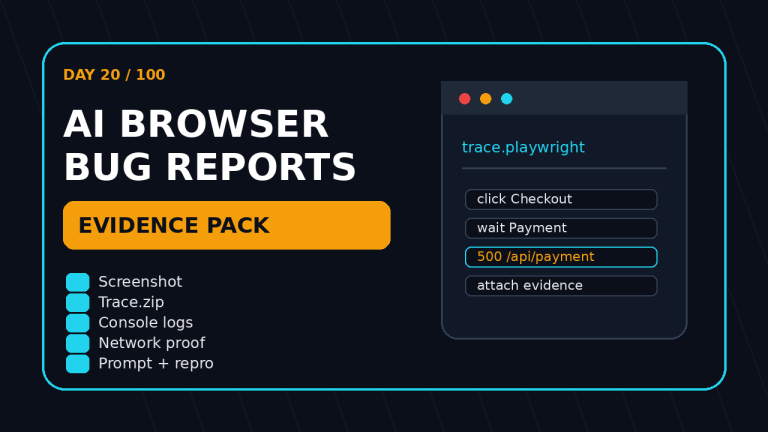
Day 20 of 100 Days of AI in QA: a practical evidence pack for AI browser bug reports with screenshots, traces, logs, prompts, and reproducible checks.
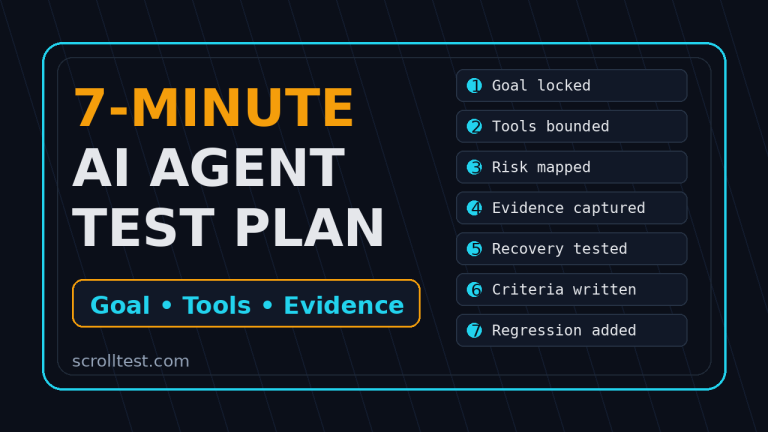
A practical AI agent test plan for QA teams that need evidence, not vibes. Use this 7-minute checklist before an agent feature reaches production.
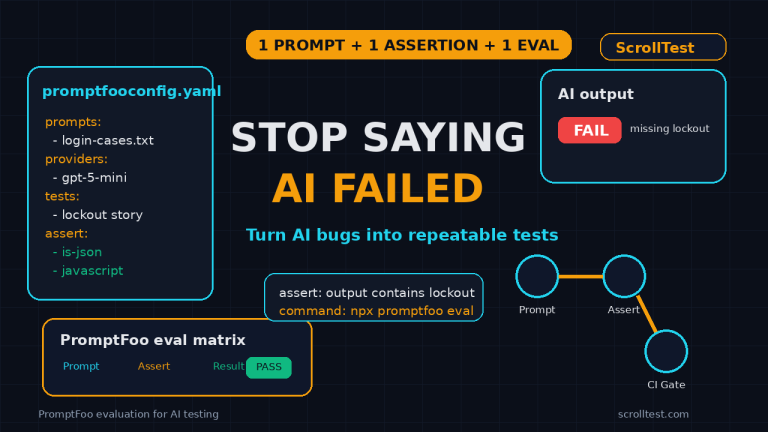
Learn PromptFoo evaluation for AI testing with repeatable prompts, assertions, CI gates, and QA examples SDETs can use today.
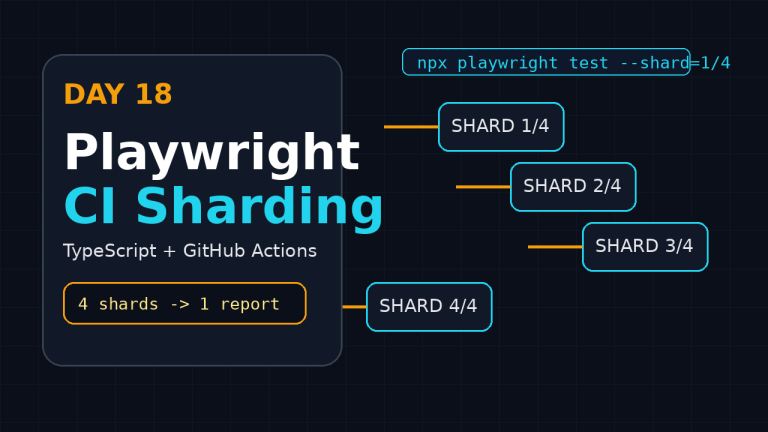
Playwright CI sharding turns a slow TypeScript test suite into smaller, parallel CI jobs. Day 18 shows the config, GitHub Actions workflow, reports, traces, and mistakes to avoid.
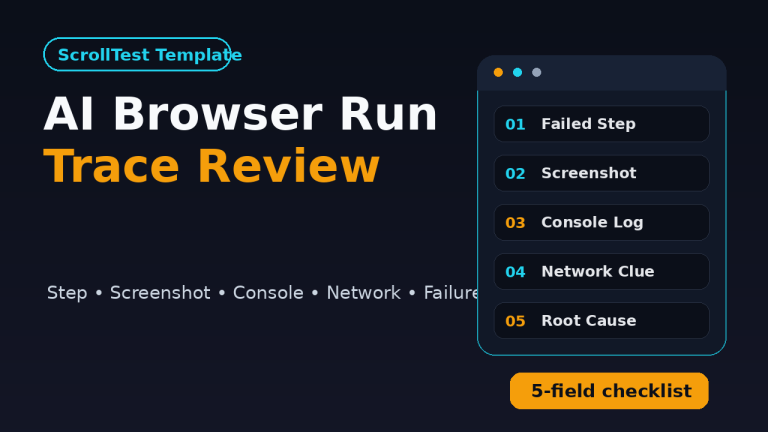
Use this trace review template for AI browser runs to capture the failed step, screenshot, console log, network clue, and failure reason in one clear report.
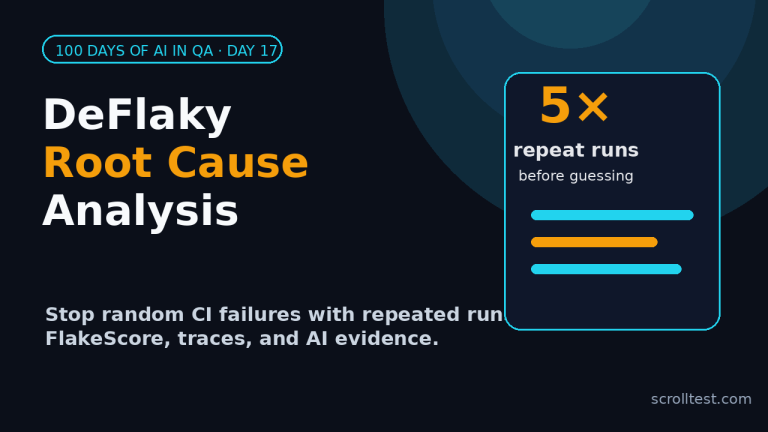
DeFlaky AI root cause analysis turns random red builds into a repeatable reliability signal. Here is the practical SDET workflow I would run in CI.